Description:
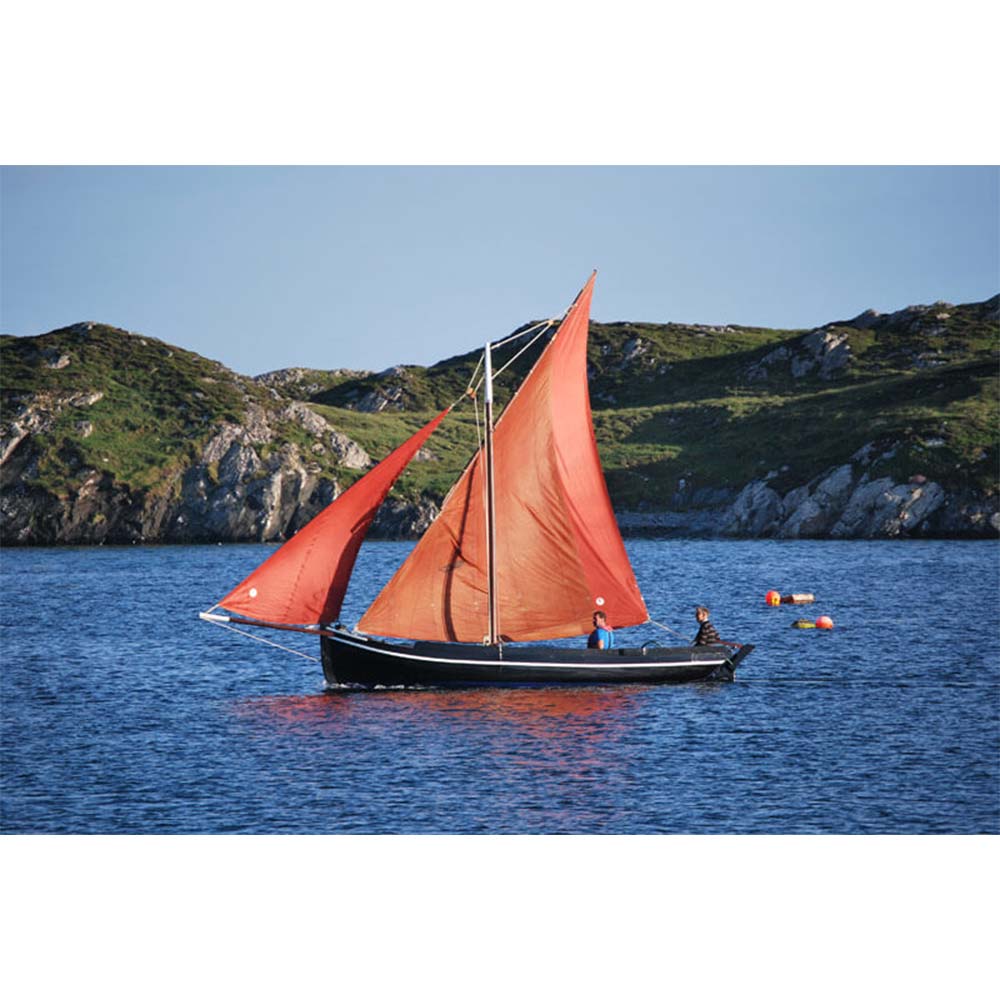
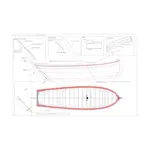
The Pucan Cutter is built in the spirit of traditional craftsmanship, reflecting the disciplined process once followed by master boatbuilders. Precise measuring, careful setting out, and repeated re-checking of every structural component remain essential to achieving correct hull alignment and long-term structural integrity. Each frame, plank, and backbone element must be accurately shaped and fitted-an exacting and highly skilled process that defines true wooden boatbuilding.
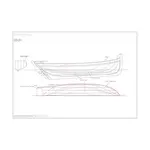
With the support of accurate patterns and modern workshop methods, complex lofting work can be streamlined. Timber is cut precisely to templates, allowing all structural components to be prepared efficiently for final assembly while preserving the proportions and character of the original cutter design.
Our workshop faithfully recreates this refined hybrid design using premium marine materials-including Western Red Cedar, Mahogany, and Teak-reinforced with fiberglass cloth and sealed with high-quality marine epoxy, then finished with System Three marine spar varnish. Each vessel is handcrafted using the stitch-and-glue construction method, resulting in a lightweight yet structurally strong hull with clean, flowing lines. The open cockpit configuration enhances comfort and ease of entry, while carefully shaped panels ensure both hydrodynamic efficiency and long-term durability. Typical build time ranges from 3-4 months depending on customization options.
- Planking: 1? thick
- Frames (sawn): 3? × 1-1/4?
- Room and Space: 15?
- Keel: 7-1/2? moulded × 2-3/4? sided
Principal Dimensions:
- Length Overall (LOA): 26 ft
- Beam: 7.7ft
- Draft: 2.1ft
- Displacement: Approximately 3 tons
- Materials: Wood (with fiberglass/epoxy reinforcement)
- Propulsion: Sail, oars, or optional outboard
This wooden boat crafted by us is built from woodenboat.com plans, with full credit given to the original designers. For each custom commission, we acquire the appropriate plans and construct the vessel to order-offering both full-size boats and finely detailed scale models.
Disclaimer: Our 26ft Pucan Cutter is a design by Nick Branson. Wooden Boat USA is not affiliated with or endorsed by Nick Branson or Branson Boat Design Ltd.
This traditional wooden boat is ideal for heritage boating experiences, leisure rowing, and educational craftsmanship projects. Contact us today!
History:
The Pucan Cutter originates from the tradition of small British and Irish working cutters developed in the late 19th and early 20th centuries. These compact yet capable vessels were commonly used for inshore fishing, cargo transport, and coastal trade. Designed to handle variable weather while remaining manageable by a small crew, they featured solid displacement hulls, generous beam for stability, and a practical cutter rig that balanced sail power with control.
Like many traditional working craft, the Pucan-type cutter was built using carvel planking over sawn frames, fastened with bronze or copper rivets for longevity in saltwater conditions. The use of Stockholm tar on hull exteriors and painted interiors reflected practical maintenance methods of the era. Strong scantlings, closely spaced frames, and a substantial keel ensured durability and the ability to carry modest loads safely through coastal waters.
In modern times, renewed interest in heritage wooden boats has brought designs like the Pucan Cutter back into focus. Contemporary builders often adapt the original structure with epoxy reinforcement and improved finishing systems while preserving its classic proportions and traditional character. Today, the Pucan Cutter represents a bridge between historical working craft and modern recreational sailing-valued for its authenticity, seaworthiness, and timeless maritime appeal.